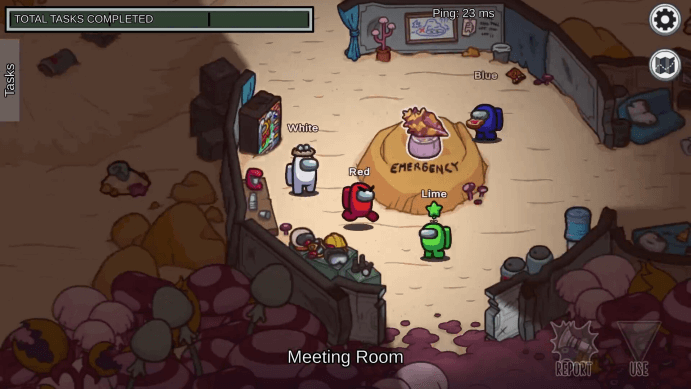


Do you remember the last experience of playing games in the browser? The stuck picture, the blurry stickers, and the fear that may collapse at any time? All this is becoming a thing of the past. A quiet technological revolution is taking place in your browser, which will subvert all our perceptions of web games.
It all started with WebGPU — this technology is like installing a rocket engine on a web game. If the previous WebGL was a larger brush for painters, then WebGPU simply handed over the entire digital printing factory to the developers. The key is that it opens up the “native channel” between the browser and the graphics card, so that the instructions can directly reach the hardware core. An engineer described this change: “It’s like changing from cycling to driving a sports car on the same road.”
What does this change mean in the actual game? Imagine this scene: open a game website in the Chrome browser, and what appears in front of you is the light chasing effect comparable to _Cyberpunk 2077_. The shadow of the water is clearly visible, and the neon halo is naturally scattered in the rain. This is no longer a fantasy of the future, but a reality that is happening.
What’s more surprising is the performance. In the latest benchmark test, web games with WebGPU technology have been able to stably output 1080p/60 frames on the integrated graphics card. This means that even with an ordinary office notebook, you can also enjoy a smooth 3A-level game experience. It’s like suddenly discovering that ordinary highways at home can take off and land fighter jets.
As a result, the creative space of developers has also been completely opened up. An independent game producer shared his experience: his team reproduced the open world framework of _Skyrim_ in the browser in just three months. Trees sway naturally in the wind, and the weather system changes dynamically, which do not require players to install any plug-ins. “What excites us most,” he said, “players only need to click on a link to enter the world immediately.”
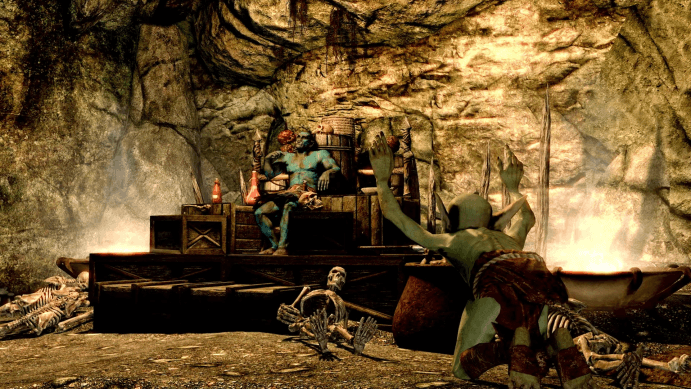
This technological breakthrough is giving rise to a new game form. A physical simulation game developed by a studio allows players to experience real fluid dynamics in the browser. Another team has created a strategy game that supports hundreds of people to fight on the screen, and its picture fineness is close to that of the host platform. Behind these achievements is the powerful computing power provided by WebGPU, which makes the browser a real game platform.
Cross-platform compatibility is one of the most fascinating features of this technology. The same game can run smoothly on Windows computers, MacBooks, Chromebooks and even the latest mobile phones. A player wrote excitedly on the forum: “I can finally continue the game progress at home when I go to work, and there is almost no loss of image quality.”
The impact of this technological revolution goes far beyond the field of games. Architectural design, medical simulation, education and training and other industries are actively exploring the application possibilities of WebGPU. Just as smartphones redefine mobile life, WebGPU is redefining the possibility that we can achieve in a browser tab.
Of course, challenges still exist. The difference in the degree of support of different devices and the stability of network transmission are all topics that need to be further optimized. But as a senior developer said, “We have just pushed open the door of the new world, and the scenery behind the door is shocking enough.”
The next time you see the jumping game screen in the browser, you might as well pay more attention to it. The browser, which used to only run simple small games, is catching up with professional game devices at an amazing speed. In this open-and-play world, everyone can become the first explorer.
Have you experienced amazing games in your browser? Or is one of your ideas waiting to be realized on such a platform? Welcome to share your experiences and dreams in the comment section. Maybe the next work to change the industry will come from your inspiration.