

In the study at three o’clock in the morning, a programmer refreshed the browser for the 200th time. When the colorful ball finally bounced along the predetermined trajectory, he couldn’t help raising his arms and cheering softly. This simple physics experiment later became the _Marble Maste_r in the Moments. This is the charm of HTML5 games — the purest creative pleasure is hidden in the browser that everyone can open.
Entering the world of HTML5 game developers, you will find that they are like modern bards, writing interactive poems that can be opened at any time with code. Unlike traditional games with a capacity of tens of G, their works must be as light as feathers - not only to ensure the fun, but also not to exceed the size limit of tens of megabytes. A developer gave an interesting analogy: “It’s like painting on a stamp, which should be rich in details and not exceed square inches.”
The most amazing thing is the compatibility and wisdom of these games. The same game needs to run smoothly in thousands of mobile phone models and browsers. This work is like writing the score of different instruments for the same song. A senior developer shared with a smile: “Every time I test an old mobile phone, I feel like teaching my ancestors to use smartphones, which requires incomparable patience and creativity.”
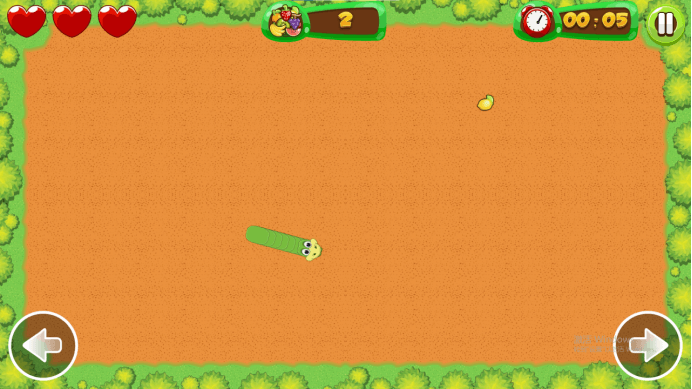
Instead, creativity thrives under these restrictions. Some people have made addictive synthetic games with simple click mechanisms, and some people have created a new way of playing with drawing lines to solve puzzles. Do you remember the _Fluid Puzzle_ that allows players to draw lines to guide water droplets? Its birth comes from the inspiration of the developer to see his son drawing water drops on the car window. These seemingly simple ideas often take months or even years to polish.
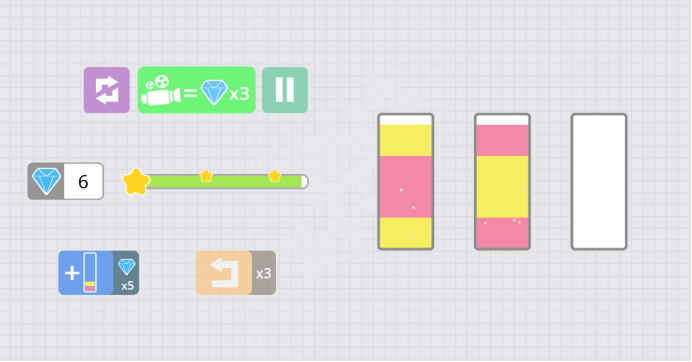
Music and sound effects play a magical role in these small games. Due to capacity limitations, developers have learned to create an atmosphere in the most streamlined way. An excellent HTML5 game sound engineer described his work as follows: “It’s like composing a movement with three notes, and each sound must be just right.”
The success of these games often begins by chance. One afternoon, a teacher used HTML5 games to explain the principles of physics in class, and the video unexpectedly became popular after being uploaded to the Internet by students. Another puzzle game was on the hot search because it was exclaimed “too brain-burning” by the anchor during the live streaming. This model of self-dissemination by content makes every small game have the potential to become a hit.
The development team is usually amazingly small. It is often one person who contracts programming, art and design, or a small team of two or three people collides with ideas in the cafe. They don’t have the budget of a big company, but they have the purest love for games. As an independent developer said, “We may not be able to afford advertising space, but our games can run for free in anyone's browser.”
What touches people is the supportive spirit of the community. When a developer encounters technical problems, he can always find the experience of his predecessors in the forum to share. Open source code, free materials, technical tutorials, these selfless sharing enable more ideas to be realized. One team even opened their successful games completely open source, just so that more people can learn about game development.
Successful HTML5 games are like dandelion seeds, which seem small but can take root and germinate all over the world. A casual game developed by a Chinese team has become a teaching tool in primary school classrooms in Brazil; environmental-themed games made by European students are used for interactive exhibitions by Japanese museums. This cross-geography and language influence is the most moving feature of HTML5 games.
The next time you open that unstoppable small game in the WeChat group, you might as well think about the developer who stayed up late to debug the code behind it. They prove with wisdom and enthusiasm that happiness does not need a download button, and creativity does not depend on hardware performance. In the browser within everyone’s reach, the most wonderful dream story is being staged.
Have you ever been amazed by a small game? Or have you ever dreamed of making games? Welcome to share your story with HTML5 games in the comment section. Maybe the next hit will come from your inspiration.